In the sixth generation of video game consoles, Sega exited the hardware market, Nintendo fell behind, Sony solidified its lead in the industry, and Microsoft developed a gaming console.
The Sega Dreamcast was the first console to have a built-in modem for Internet support and online play. While it was initially successful, sales and popularity would soon begin to decline.
The second release of the generation was Sony's PlayStation 2. Nintendo followed a year later with the Nintendo GameCube, their first disc-based console. The Nintendo GameCube suffered from a lack of third-party games compared to Sony's system, and was hindered by a reputation for being a "kid's console" and lacking the mature games the current market appeared to want.
In 2001 Microsoft entered the console market with the Xbox. In order to maintain its hold in the market, Microsoft reportedly sold the Xbox at a significant loss and concentrated on drawing profit from game development and publishing.
Seventh Generation Consoles
In console gaming, Microsoft stepped forward first in November 2005 with the Xbox 360, and Sony followed in 2006 with the PlayStation 3. Setting the technology standard for the generation, both featured high-definition graphics, large hard disk-based secondary storage, integrated networking, and a companion on-line gameplay.
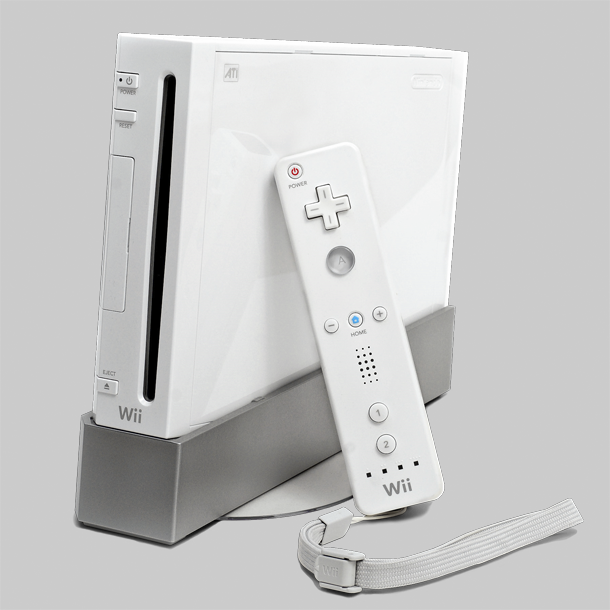
The Wii had lower technical specifications (and a lower price) than both the Xbox 360 and PlayStation 3, its new motion control was much touted.